


As we step into 2026, the gaming industry continues to evolve at an unprecedented pace. One of the most significant developments is the integration of advanced technologies, such as artificial intelligence, virtual reality, and blockchain, into gaming experiences. These innovations are not only enhancing gameplay but also creating new business models and revenue streams.
Platforms like 'jl7' have emerged as key players in this digital transformation, providing gamers with access to a wide assortment of games and interactive experiences. The platform’s user-friendly interface and cutting-edge technology have attracted a vast audience, making it a focal point in the gaming community.
Moreover, the rise of esports has added a new dynamic to the gaming world. With professional gaming becoming more mainstream, there is a growing demand for high-quality content and competitive events, often streamed live to global audiences. This trend is closely tied to the betterment of internet connectivity and streaming services, which now offer minimal latency and high-definition visuals.
As we look toward the future, it's clear that innovation will continue to drive the gaming industry forward. Companies are investing heavily in research and development to create more immersive and engaging experiences. The convergence of gaming and other industries, such as entertainment and education, is also opening up new opportunities for collaboration and growth.

Exploring the ongoing impact of digital advancements in the gaming world, this article examines trends, technologies, and the passionate community shaping the future.

A deep dive into how online gaming communities are shaping social interactions and entertainment trends in 2025.
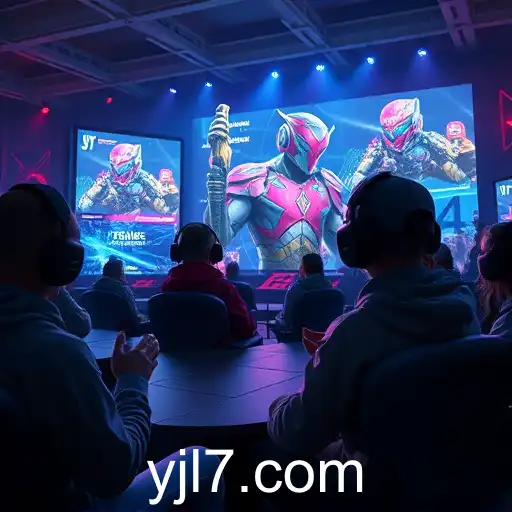
Exploring the impact of advancements in technology and online platforms on the gaming industry.
Explore the impact of jl7 on the gaming world with insights into its dynamics, community involvement, and technological advancements.

The evolution of the JL7 gaming community in 2026 highlights innovation and new frontiers in online gaming.
Exploring the transformation in online gaming with a focus on the JL7 platform.
