

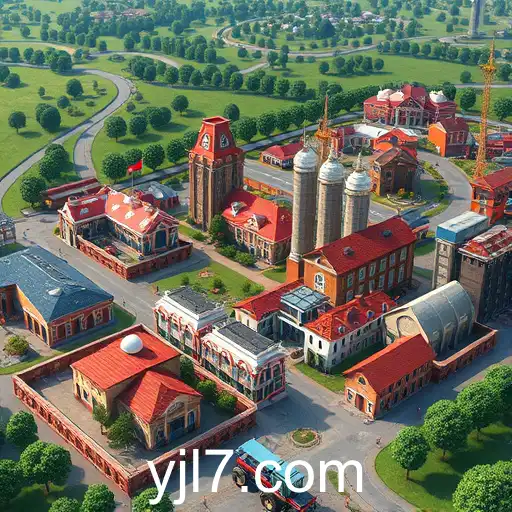

Simulation games have carved out a distinct niche within the gaming industry, providing experiences that range from the ordinary to the extraordinary. These games simulate real-world activities or systems, giving players the opportunity to engage in tasks that can be as mundane as farming or as complex as running a bustling metropolis.
One of the defining characteristics of simulation games is their focus on realism. Developers often invest considerable resources into crafting intricately detailed environments and realistic mechanics. This dedication to authenticity appeals to players who yearn for a more immersive experience, one that allows them to step into another reality.
A prime example of this commitment to realism can be seen in flight simulators. These games meticulously recreate the experience of piloting an aircraft, from the physics of flight to the aesthetic details of different cockpit designs. Players can take off, navigate, and land, all while managing the variables that real pilots contend with, including weather and mechanical issues.
City-building games like 'SimCity' or 'Cities: Skylines' embody another popular subset within the simulation genre. They challenge players to develop and maintain a thriving city, balancing budgets, optimizing traffic flow, and managing the needs of virtual citizens. Such games not only entertain but also require critical thinking and strategic planning, offering players the dual benefit of enjoyment and cognitive exercise.
The popularity of simulation games is further amplified by their educational value. Many players find that these games serve as a supplemental form of learning, providing insights and skills applicable to real-world scenarios. For example, farming simulation games can teach players about agriculture management, crop cycles, and economic principles.
Moreover, the rise of virtual reality has propelled simulation games into new dimensions, offering even more immersive experiences. Players can now physically interact with their game's environment, adding a new layer of depth and engagement.
In conclusion, simulation games remain a beloved genre due to their versatility, educational potential, and dedication to realism. Whether one is interested in the quiet life of a farmer, the logistical challenges of air traffic control, or the complexities of city management, there is a simulation game out there waiting to be explored. These games continue to evolve, capturing the imaginations of players around the globe and promising endless opportunities for adventure and learning.

An exploration of the innovative changes in the gaming industry through the lens of the JL7 platform and its impact on the gaming culture in 2026.

The evolution of the JL7 gaming community in 2026 highlights innovation and new frontiers in online gaming.

Exploring the evolving landscape of the gaming industry in 2026, with a focus on technological innovations and societal impacts.

Exploring the evolution and impact of online gaming communities in the digital age.

Exploring the dynamic landscape of gaming in 2026, focusing on key trends such as virtual reality and online communities, with JL7 leading the innovation.

An in-depth exploration of how gaming website JL7 is shaping the 2026 gaming landscape, influencing trends from virtual reality to eSports.
